

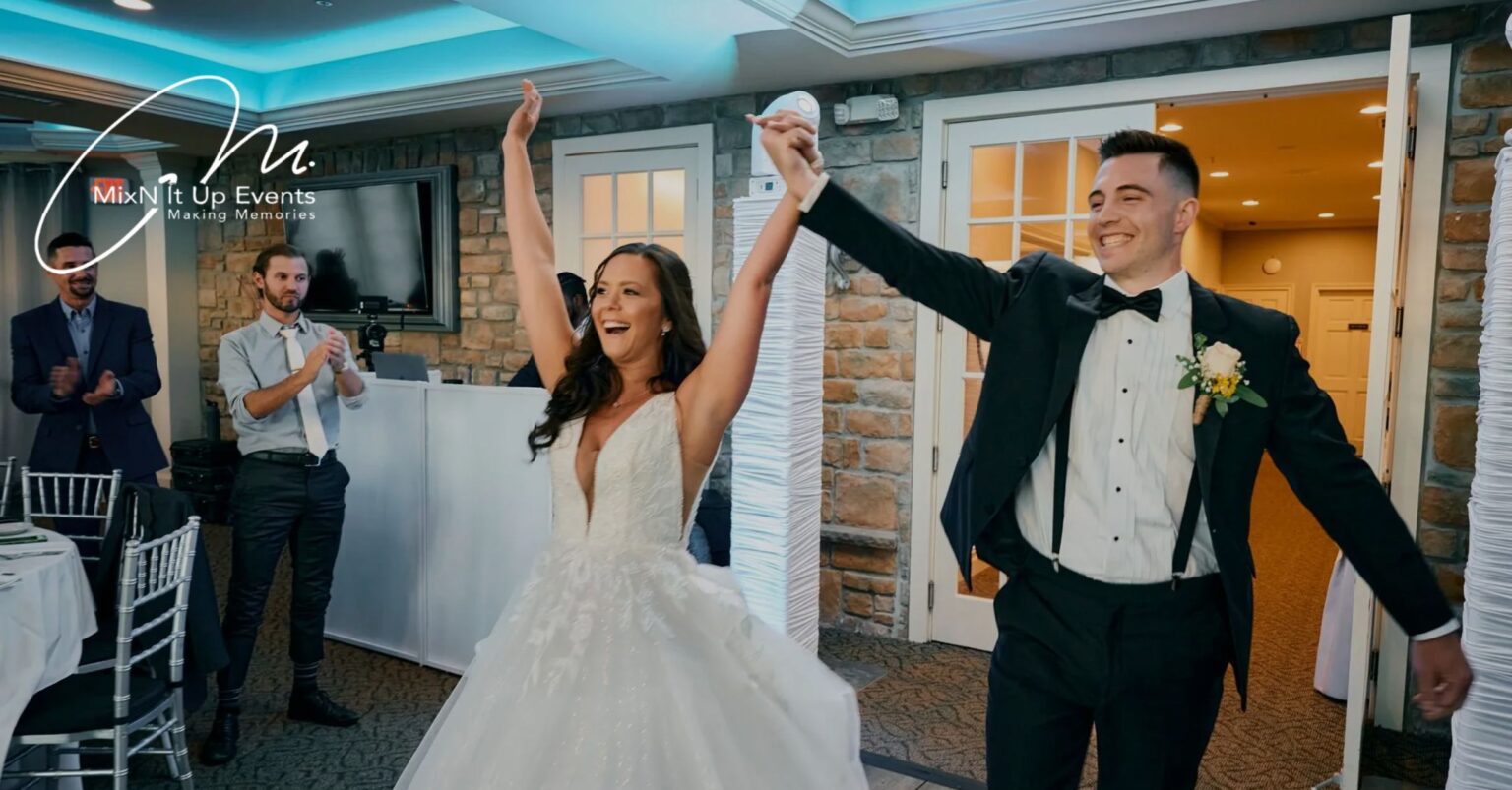
Most people spend months planning every detail of their event, the decorations, the food, the guest list, and then forget one critical thing: making sure their videographer can actually capture it all properly. A talented videographer can only work with what they’re given. If the lighting is poor, the timeline is rushed, or no one communicated the key moments in advance, even the best camera in the world won’t save the footage.
Here’s exactly what to do before the cameras start rolling.
Share Your Vision Before the Event Day
The single most important thing you can do is talk to your videographer well before the event. Don’t wait until the morning to explain what matters most to you. Schedule a pre-event conversation and walk through your expectations, your must-have moments, and the general mood you want the final video to reflect.
Teams providing Premier Event Videography Services in Cliffside Park, NJ typically offer planning consultations as part of their packages. Use that time fully. The more your videographer understands your vision upfront, the better they can position themselves, plan their shots, and prepare the right equipment for your specific setting.
Create a Shot List of Moments That Matter
Think about the moments you absolutely cannot afford to miss. A first look, a parent’s reaction, a toast, a surprise performance, the cutting of the cake. Write them all down and hand that list to your videographer before the event starts.
A shot list removes all guesswork. Your videographer won’t have to wonder what’s important. They’ll know exactly where to be and when, which means they spend less time searching and more time capturing. Keep the list focused and realistic. Ten to fifteen key moments is a solid range for most events.
Build a Realistic and Detailed Timeline
A rushed timeline is one of the biggest enemies of great footage. When events run behind schedule, videographers get compressed into less time for important scenes. Speeches get shortened, first dances get cut, and candid moments never happen because everyone’s scrambling to catch up.
Share your full event timeline with your videographer in advance. Include setup time, ceremony or program start, key moments with approximate times, and the end of the event. If you’re working with a team that handles event videography in Cliffside Park, they can flag any timeline conflicts early and suggest adjustments before the day arrives rather than reacting to problems on the spot.
Think Carefully About Lighting
Lighting can make or break a video. Natural light is gorgeous, but it changes throughout the day. Indoor venues with dim lighting or harsh overhead fluorescents create challenges that even great cameras struggle with. When you’re selecting your venue or planning your décor, keep your videographer in mind.
Talk to your venue coordinator about lighting options. Uplighting, soft ambient lighting, and well-placed spotlights all improve video quality dramatically. If your event includes a candle-lit dinner, a dance floor with heavy colored lighting, or an outdoor ceremony at dusk, let your videographer know so they can bring the right equipment and plan their exposure settings accordingly.
Designate a Point Person on Event Day
Your videographer shouldn’t have to track down information or guess where to stand during your event. Assign one person, a coordinator, a trusted friend, or a family member, to act as a contact for the video team on the day itself.
This point person knows the timeline, can alert the videographer two to three minutes before key moments happen, and can help wrangle guests for any group shots. It’s a small thing that makes a massive difference in how smoothly the filming goes and how complete the final footage turns out.
Check the Sound Setup in Advance
Audio is half the video. Poor sound quality ruins even the most beautifully shot footage. If your event includes speeches, vows, or live performances, confirm in advance that your videographer can connect directly to the venue’s audio system or that wireless microphones will be used for key speakers.
Walk through the sound setup with your event team and your videographer together if possible. A quick sound check before guests arrive catches problems that would otherwise only show up during playback, which is far too late to fix.
Make Every Frame Count: Book the Right Team From the Start
Good preparation only works when you’re paired with a videography team that actually knows how to use it. MixN It Up Events brings a full-service approach to premier event videography services in Cliffside Park, NJ, covering weddings, Sweet 16s, corporate events, birthday celebrations, and more. The team works closely with every client before, during, and after the event to make sure the final video truly reflects the moment.
FAQ: Event Videography Preparation Answered
Q1. How far in advance should I contact my event videographer to start planning?
A1. Ideally, four to eight weeks before your event. For weddings or large celebrations, three to six months gives enough time to align on vision, timeline, and technical requirements. Teams offering premier event videography services in Cliffside Park, NJ often book quickly, so earlier is always better.
Q2. Do I really need a shot list if I trust my videographer?
A2. Yes, even with a talented team. A shot list isn’t about micromanaging; it’s about making sure the moments most meaningful to you are never overlooked. Your videographer will use it as a guide, not a strict script.
Q3. What lighting setup works best for event videography?
A3. Soft, warm ambient lighting works best for most events. Avoid heavy colored or strobe lighting during key moments like speeches or toasts. If your venue has uplighting options, discuss them with your event videography team during the planning stage.
Q4. What happens if my event runs behind schedule on the day?
A4. Alert your videographer as soon as you know there’s a delay. A good team will adjust its positioning and priorities quickly. Building small buffer windows into your timeline from the start helps prevent this situation altogether.